--------------------------
Wow. This clocks in at over 12,000 words. While we do appreciate the author's thoroughness, and also that he quotes a lot of Scripture (an all-to-rare thing among these supposed Bible teachers), he still operates according to traditional assumptions. And he assumes his tradition is correct, of course.
Wow. This clocks in at over 12,000 words. While we do appreciate the author's thoroughness, and also that he quotes a lot of Scripture (an all-to-rare thing among these supposed Bible teachers), he still operates according to traditional assumptions. And he assumes his tradition is correct, of course.
But what if there is a different approach, one the author never considers? What if the practice of water baptism was supposed to fade out over time to be supplanted by Holy Spirit baptism? John the Baptist actually prophesied this:
Mt. 3:11 I baptize you with water for repentance. But after me will come one who is more powerful than I, whose sandals I am not fit to carry. He will baptize you with the Holy Spirit and with fire.
Now, we ask the reader to bear with us. Let's see if we can refilter our understanding of everything the author writes through a new lens, that water baptism was to be replaced by Holy Spirit baptism. Read all the author's scriptural documentation, but try to understand it via this new paradigm. The reader will no doubt see that nearly every Scripture the author cites fits neatly into this.
In addition, we need to note that the author makes a very substantial omission, that neither Paul nor Jesus baptized:
Jn. 4:1-2 The Pharisees heard that Jesus was gaining and baptizing more disciples than John, 2 although in fact it was not Jesus who baptized, but his disciples.
1Co. 1:17 For Christ did not send me to baptize, but to preach the gospel...
If baptism was to be the standard practice of the Church, then why did both Jesus and Paul avoid baptizing?
Lastly, we will omit the post NT witnesses cited by the author. We are only interested in what the Bible itself teaches. We will insert comments as he proceeds.
--------------------------------
How early Christians understood and practiced baptism during the first two-hundred years of Christianity
Few doctrines can boast more of dividing Christians than the doctrine of baptism. And yet Christians have maintained that baptism unites us into one body. So how can we overcome this disagreeable state? Well, by God’s grace through much prayer, reflection, and the Spirit. As a possible first stage in this process, we might also consider how Christians in the first two-hundred years of Christianity baptized. For the most part, they remained united on the meaning of baptism despite regional diversity.
Perhaps we can find in them a model for holding disagreements while staying united on the main things. But even if not, the historical exercise can help us better understand what Christians have meant by baptism. That, it seems to me, is worthwhile in and of itself.
In the following, therefore, I outline how early Christians understood and practiced baptism. I do not claim to be comprehensive but only to show how some representative Christian communities during the first two centuries of Christianity understood and practiced baptism.
Methodologically, I have tried to explain how Christians in the early centuries described baptism in their own words. Believers in these early centuries did not feel the need to overly nuance or articulate the mechanics of baptism. They did not have centuries worth of baptismal debates like we have.
For this reason, they affirm the necessity of baptism in biblical language unencumbered by later debates. I hope that this article helps readers both to recognize the basic continuity we share with early Christians and also to perceive how different that world is.
With that said, this article begins briefly with a discussion on baptismal washings prior to the New Testament before addressing that Testament and also Christian writers up to about 250 AD on the topic of baptism.
Pre-New Testament
Ceremonial baths existed around the temple precincts in Jerusalem. Likely, they existed for ceremonial washings. Later traditions indicate that such washings centre on ritual purity and as initiation rites (e.g., m. Pesach 8.8). These traditions, however, come later than the New Testament (so McGowan, 2014: Ancient Christian Worship, 137).
Andrew McGowan also points out that the baptisms in the Essene community (and also as described in the Dead Sea Scrolls) do not signify initiation rituals but map onto “ritual washing practices” (McGowan, 2014: 138).
So while pre-New Testament traditions provide important context for ritual washings and baths, Christian baptism does something evidently unique. In short, Christian baptism functioned as an initiation rite into the body of Christ, whereby the washing of water meant the forgiveness of sins and the Spirit’s act of regeneration
John the Baptist
John the Baptizer followed a long tradition of ceremonial cleansing rituals within Judaism. What marks him as unique was not so much his baptizing but the reason he gave for his baptizing. John baptized people to prepare the way for Christ, and he spoke of his baptism as one of repentance for the forgiveness of sins (Mark 1:4; Luke 3:3). Matthew records that John also preached repentance due to the kingdom being at hand (Matt 3:2).
Importantly, John contrasts his baptism in water with Jesus’s superior baptism by the Spirit (Matt 3:11 // Mark 1:8 // Luke 3:16). John thus distinguishes his baptism from Christian baptism; they are of different orders with different purposes and effects. Further, that Jesus baptizes with the Spirit may explain why Paul speaks of baptism in relation to the Spirit (1 Cor 12:13). Christian baptism signifies the Spirit’s work of washing away sins and incorporating us into the Christian community.
Historically speaking, Josephus, the Jewish historian, provides external evidence for John and the meaning of his baptism. For example, Josephus speaks of John, noting “that [he] was called the Baptist” (Antiquities 18.116). And Josephus explains John’s baptismal ministry as follows:
Josephus’s emphasis on righteousness matches the Bible’s language. John proclaimed “a baptism of repentance for the forgiveness of sins” (Luke 3:3), but since he did not baptize with the Spirit nor bring forgiveness as Christ did, we might say that the purpose clause—“for the forgiveness of sins”—fits into his preparatory ministry, because Christ forgives sinners and gives the Spirit without measure (cf. Acts 2:38).
Tertullian makes a similar point in his On Baptism, writing, “[John’s baptism] was directed only to repentance, which is in a man’s own power, not to forgiveness or to the gift of the Holy Spirit” (On Baptism, 1.10). And a bit later, he concludes, “The remission of sins which John preached was not present, but future, and his baptism of repentance was no more than a preparation for this” (1.10). Most would agree with this judgment (e.g., Origen, Romans, 5.8.6), although writers like Clement of Alexandria will still see Jesus’s baptism as paradigmatic for later Christians baptisms.
Paul
Paul, the earliest New Testament author to write on baptism, does not outline the practice of baptism in detail, rather he theologizes about its meaning. The most common way that he describes baptism is by being baptized “into Christ”:
Romans 6:3: “Do you not know that all of us who were baptized into Christ Jesus were baptized into his death?” Paul then says we are “buried with him through baptism into death” (Rom 6:4). (Spirit baptism...)
How early Christians understood and practiced baptism during the first two-hundred years of Christianity
Few doctrines can boast more of dividing Christians than the doctrine of baptism. And yet Christians have maintained that baptism unites us into one body. So how can we overcome this disagreeable state? Well, by God’s grace through much prayer, reflection, and the Spirit. As a possible first stage in this process, we might also consider how Christians in the first two-hundred years of Christianity baptized. For the most part, they remained united on the meaning of baptism despite regional diversity.
Perhaps we can find in them a model for holding disagreements while staying united on the main things. But even if not, the historical exercise can help us better understand what Christians have meant by baptism. That, it seems to me, is worthwhile in and of itself.
In the following, therefore, I outline how early Christians understood and practiced baptism. I do not claim to be comprehensive but only to show how some representative Christian communities during the first two centuries of Christianity understood and practiced baptism.
Methodologically, I have tried to explain how Christians in the early centuries described baptism in their own words. Believers in these early centuries did not feel the need to overly nuance or articulate the mechanics of baptism. They did not have centuries worth of baptismal debates like we have.
For this reason, they affirm the necessity of baptism in biblical language unencumbered by later debates. I hope that this article helps readers both to recognize the basic continuity we share with early Christians and also to perceive how different that world is.
With that said, this article begins briefly with a discussion on baptismal washings prior to the New Testament before addressing that Testament and also Christian writers up to about 250 AD on the topic of baptism.
Pre-New Testament
Ceremonial baths existed around the temple precincts in Jerusalem. Likely, they existed for ceremonial washings. Later traditions indicate that such washings centre on ritual purity and as initiation rites (e.g., m. Pesach 8.8). These traditions, however, come later than the New Testament (so McGowan, 2014: Ancient Christian Worship, 137).
Andrew McGowan also points out that the baptisms in the Essene community (and also as described in the Dead Sea Scrolls) do not signify initiation rituals but map onto “ritual washing practices” (McGowan, 2014: 138).
So while pre-New Testament traditions provide important context for ritual washings and baths, Christian baptism does something evidently unique. In short, Christian baptism functioned as an initiation rite into the body of Christ, whereby the washing of water meant the forgiveness of sins and the Spirit’s act of regeneration
John the Baptist
John the Baptizer followed a long tradition of ceremonial cleansing rituals within Judaism. What marks him as unique was not so much his baptizing but the reason he gave for his baptizing. John baptized people to prepare the way for Christ, and he spoke of his baptism as one of repentance for the forgiveness of sins (Mark 1:4; Luke 3:3). Matthew records that John also preached repentance due to the kingdom being at hand (Matt 3:2).
Importantly, John contrasts his baptism in water with Jesus’s superior baptism by the Spirit (Matt 3:11 // Mark 1:8 // Luke 3:16). John thus distinguishes his baptism from Christian baptism; they are of different orders with different purposes and effects. Further, that Jesus baptizes with the Spirit may explain why Paul speaks of baptism in relation to the Spirit (1 Cor 12:13). Christian baptism signifies the Spirit’s work of washing away sins and incorporating us into the Christian community.
Historically speaking, Josephus, the Jewish historian, provides external evidence for John and the meaning of his baptism. For example, Josephus speaks of John, noting “that [he] was called the Baptist” (Antiquities 18.116). And Josephus explains John’s baptismal ministry as follows:
“Herod slew [John], who was a good man, and commanded the Jews to exercise virtue, both as to righteousness towards one another, and piety towards God, and so to come to baptism; for that the washing [with water] would be acceptable to him, if they made use of it, not in order to the putting away [or the remission] of some sins [only], but for the purification of the body; supposing still that the soul was thoroughly purified beforehand by righteousness” (Antiquities 18.117).
Josephus’s emphasis on righteousness matches the Bible’s language. John proclaimed “a baptism of repentance for the forgiveness of sins” (Luke 3:3), but since he did not baptize with the Spirit nor bring forgiveness as Christ did, we might say that the purpose clause—“for the forgiveness of sins”—fits into his preparatory ministry, because Christ forgives sinners and gives the Spirit without measure (cf. Acts 2:38).
Tertullian makes a similar point in his On Baptism, writing, “[John’s baptism] was directed only to repentance, which is in a man’s own power, not to forgiveness or to the gift of the Holy Spirit” (On Baptism, 1.10). And a bit later, he concludes, “The remission of sins which John preached was not present, but future, and his baptism of repentance was no more than a preparation for this” (1.10). Most would agree with this judgment (e.g., Origen, Romans, 5.8.6), although writers like Clement of Alexandria will still see Jesus’s baptism as paradigmatic for later Christians baptisms.
Paul
Paul, the earliest New Testament author to write on baptism, does not outline the practice of baptism in detail, rather he theologizes about its meaning. The most common way that he describes baptism is by being baptized “into Christ”:
Romans 6:3: “Do you not know that all of us who were baptized into Christ Jesus were baptized into his death?” Paul then says we are “buried with him through baptism into death” (Rom 6:4). (Spirit baptism...)
And quickly afterwards, he maintains that we also rise with him in a resurrection like his: “For if we have been united with him in a death like his, we shall certainly be united with him in a resurrection like his” (Rom 6:5). (The baptism Paul preached was the death and life as represented by the cross and the resurrection:
Ph. 3:10-11 I want to know Christ and the power of his resurrection and the fellowship of sharing in his sufferings, becoming like him in his death, 11 and so, somehow, to attain to the resurrection from the dead.
This has nothing to do with water.)
Galatians 3:27: “For as many of you as were baptized into Christ have put on Christ.” (Spirit baptism...)
1 Corinthians 12:13: “For in one Spirit we were all baptized into one body.” Here, the body is the body of Christ. (Spirit baptism...)
Colossians 2:12: “having been buried with him in baptism, in which you were also raised with him through faith in the powerful working of God, who raised him from the dead.” (Spirit baptism...)
For Paul, baptism into/with Christ indicates that our baptism means participation in Christ’s life; particularly, Paul names his death and resurrection.
That said, our union with Christ by baptism includes more than the events of Christ’s death and resurrection, since Paul will speak of Christ living in him comprehensively (Gal 2:20). Baptism incorporates us into the life of Christ, and our life fully belongs to Christ: “For you have died, and your life is hidden with Christ in God” (Col 3:3). Baptism thus signifies that death and resurrection into our new life with Christ. We are new creations (e.g., 2 Cor 5:17). (No, the author reverses it. We die to our fleshly nature which represents baptism, and are raised into resurrection power.)
Important to this discussion is Ephesians 4:5–6 where Paul names our sevenfold oneness through our one faith in the Trinity and our baptism into one body: “There is one body and one Spirit—just as you were called to the one hope that belongs to your call—one Lord, one faith, one baptism, one God and Father of all.” (If there is one baptism, which of course is true, what baptism would that be? Well, it could only be Holy Spirit baptism. Water baptism has passed on.)
When it comes to the practical questions of how, who, and when, we need to read Paul cautiously since he only implies answers to these questions. As to how, Paul may believe baptism spatially symbolizes our death in Christ as we enter the waters and our resurrection with Christ as we ascend from them. That at least seems to be the implication in Romans 6:3–5.
Further, baptism implies washing with water, which further explains how Paul thought one should be baptized:
Galatians 3:27: “For as many of you as were baptized into Christ have put on Christ.” (Spirit baptism...)
1 Corinthians 12:13: “For in one Spirit we were all baptized into one body.” Here, the body is the body of Christ. (Spirit baptism...)
Colossians 2:12: “having been buried with him in baptism, in which you were also raised with him through faith in the powerful working of God, who raised him from the dead.” (Spirit baptism...)
For Paul, baptism into/with Christ indicates that our baptism means participation in Christ’s life; particularly, Paul names his death and resurrection.
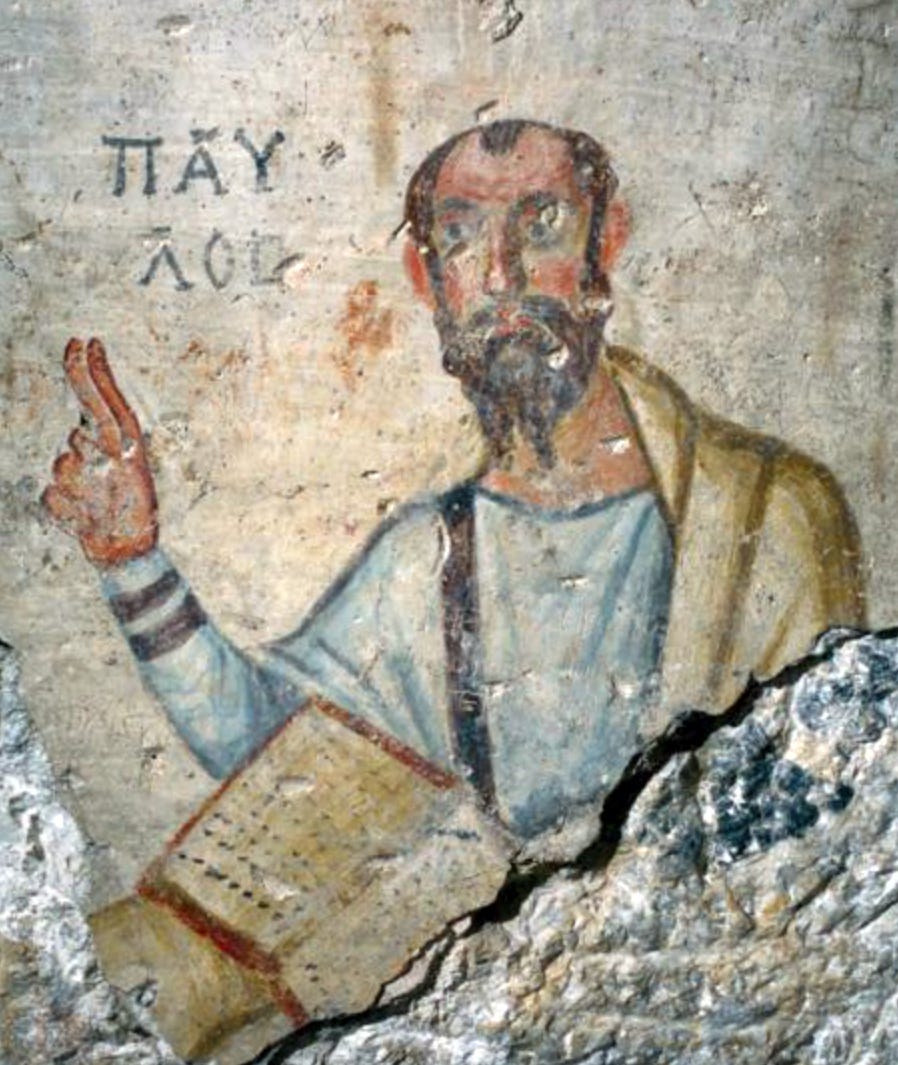
That said, our union with Christ by baptism includes more than the events of Christ’s death and resurrection, since Paul will speak of Christ living in him comprehensively (Gal 2:20). Baptism incorporates us into the life of Christ, and our life fully belongs to Christ: “For you have died, and your life is hidden with Christ in God” (Col 3:3). Baptism thus signifies that death and resurrection into our new life with Christ. We are new creations (e.g., 2 Cor 5:17). (No, the author reverses it. We die to our fleshly nature which represents baptism, and are raised into resurrection power.)
Important to this discussion is Ephesians 4:5–6 where Paul names our sevenfold oneness through our one faith in the Trinity and our baptism into one body: “There is one body and one Spirit—just as you were called to the one hope that belongs to your call—one Lord, one faith, one baptism, one God and Father of all.” (If there is one baptism, which of course is true, what baptism would that be? Well, it could only be Holy Spirit baptism. Water baptism has passed on.)
When it comes to the practical questions of how, who, and when, we need to read Paul cautiously since he only implies answers to these questions. As to how, Paul may believe baptism spatially symbolizes our death in Christ as we enter the waters and our resurrection with Christ as we ascend from them. That at least seems to be the implication in Romans 6:3–5.
Further, baptism implies washing with water, which further explains how Paul thought one should be baptized:
1 Corinthians 6:11: “you were washed, you were sanctified, you were justified.”(Spirit baptism...)
Titus 3:5: Paul speaks of “the washing of regeneration.” (Spirit baptism...)
Ephesians 5:26: Of the body of Christ, the church, Paul says, Christ “cleansed her by the washing of water with the word.” (Spirit baptism...)
1 Corinthians 10:2: Paul argues for a typological relation between crossing the Red Sea and baptism: “all were baptized into Moses in the cloud and in the sea.”
These passages confirm what the word baptism obviously implies: being washed with water. (No, what is pictured is the better baptism of the Spirit as represented by the picture of water baptism. Holy Spirit baptism is superior, as prophesied by John the Baptist.)
As to who baptizes, Paul implies that leaders generally baptized new believers (1 Cor 1:13–17). (???) In 1 Corinthians 1, congregants remembered which leader baptized them and had a hierarchy of sorts on that basis. This hierarchy is a problem, but Paul does not seem to criticize the practice of named leaders being the ones who regularly baptize. (We don't determine doctrine by what "seems.")
The baptized person becomes part of the body of Christ, the church: “For in one Spirit we were all baptized into one body” (1 Cor 12:13). And hence the New Testament regularly speaks of the church as one body, the body of Christ, and so on. In fact, the New Testament only defines the church four times explicitly, and in each case, it identifies it with the body of Christ (Col 1:18; 1:24; Eph 1:22–23; Eph 5:23). The most basic definition of the church is the body of Christ, and baptism incorporates us into that body (cf. Eph 4:4–6). (Indeed. We are baptized by the Holy Spirit into the one Body, not into a local congregation.)
Finally, when it comes to when someone is baptized, Paul specifies no age or capacity for baptism per se, but the apostle does mention that there is only one baptism due to its symbolism in Ephesians 4:5: “one Lord, one faith, one baptism.” This may mean re-baptisms are inappropriate to the symbolism.
Further, Paul claims that our death and resurrection in baptism occur “through faith” in Colossians 2:12, which implies the presence of faith in the one baptized.
Synoptic Gospels
The three synoptic Gospels (Matthew, Mark, Luke) are written after the Pauline epistles, and they testify to Jesus’s own understanding of baptism. In the first place, John Baptizes Jesus to fulfill all righteousness (Matt 3:15). Jesus also metaphorically speaks of his death as a baptism, and commissions the apostles to baptize in the name of the Father, Son, and Spirit. Each point is worth recounting briefly to fill out our understanding of early Christian baptism.
Jesus consented to John’s baptism because, he explained, “it is fitting for us to fulfill all righteousness” (Matt 3:15). In Matthew’s Gospel, Jesus uses the word “fulfill” to indicate how his life completes a pattern begun in the Old Testament. For example, Jesus’s parents took him to Egypt in Matthew 2:15 “to fulfill what the Lord had spoken by the prophet, Out of Egypt I called my son’” (Hos 11:1).
During this time, we learn that Herod threatened the life of Israelite children as Pharaoh threatened the lives of Israelite children in Egypt, which once again fulfills scripture (Matt 2:17). And after Jesus’s baptism, the Spirit ushers him into the wilderness for forty days where he lives not by bread alone but God’s word in parallel to Israel who learned that lesson during their forty years of wandering the desert (Deut 8:3).
So in Matthew 3:15, Jesus may very well think of his baptism as parallel to Israel’s baptism into the waters of Moses, since the passage narratively follows sojourn in Egypt and precedes his forty days of wandering in the wilderness. If so, then Jesus walked through the waters of baptism as Israel walked through the waters of the Red Sea. This fulfillment of baptism would parallel Paul’s typological view of baptism (1 Cor 10:1–2).
Jesus also talks about his baptism for his disciples. When he does so, Jesus underscores that the apostles would be baptized into his suffering (death). (A pretty strong indicator that baptism didn't necessarily mean water.)
Here are the relevant passages:
Mark 10:38–39: “You do not know what you are asking. Are you able to drink the cup that I drink, or to be baptized with the baptism with which I am baptized?” And they said to him, “We are able.” And Jesus said to them, “The cup that I drink you will drink, and with the baptism with which I am baptized, you will be baptized.”In Mark, James and John seek a powerful place in the coming kingdom. Jesus tells them if they want a senior place in the kingdom, they must undergo the baptism of death. They will need to suffer as he will. In Luke, Jesus speaks more generally of his baptism of death.
Luke 12:50: “I have a baptism to be baptized with, and how great is my distress until it is accomplished!”
Importantly, Jesus invites the disciples to take up their cross and follow him (Mark 8:34), suggesting that being baptized into his suffering means following Jesus on the way of the cross. This may be the kind of thing Jesus means when he speaks of the cup of suffering in Mark 10:38–39.
Possibly then, this language of being baptized into Jesus’s suffering led Christians like Paul to see baptism into Christ’s death as a way to identify themselves with Jesus in his death. After Jesus rose from the dead, it may have seemed obvious that baptism into Christ’s death also meant baptism into his resurrection. After all, Jesus tells James and John that they must suffer before they receive glory, just as Jesus must suffer the cross before he receives the crown.
Lastly, Jesus commissions his apostles, saying: “Go therefore and make disciples of all nations, baptizing them in the name of the Father and of the Son and of the Holy Spirit” (Matt 28:19). Key here is the phrase “baptizing them in the name of the Father and of the Son and of the Holy Spirit.” Paul more concisely speaks of being baptized “into Christ,” but most Christians found Jesus’s full saying to be the best way to describe the theological meaning of baptism.
This trinitarian baptism would therefore play a pivotal role in early Christian baptisms. These baptisms included some sort of trinitarian confession and/or a triune dipping into the water. But interestingly, in the Book of Acts, Christians are often baptized in the name of Jesus.
As a final note, Mark 16:16 also contains an important passage on baptism: “Whoever believes and is baptized will be saved, but whoever does not believe will be condemned.” Many argue that this passage, in the longer ending of Mark, was not original to the Gospel but added early on.
Even if we grant that point, then it remains an important early Christian testimony to the theology of baptism. Early Christians also knew of this ending and cited it as Scripture (e.g., Irenaeus, Against Heresies, 3.10.6). No matter one’s textual view of the passage, it still tells us something illuminating. Here, we see that faith and baptism are closely united. And since one is condemned for a lack of faith and not for a lack of baptism in Mark 16:16, we might say that Jesus here underscores the priority of faith in salvation.
Acts of the Apostles
Acts narrates the Church’s growth in its earliest years, and it provides numerous examples of baptism.
First, baptisms occurred with large groups, small groups, or individuals (e.g., Acts 2:41; Acts 10:47–48; 8:36–8).
Second, baptisms happened in public or in semi-private settings, such as when Peter baptized Cornelius and his household (Acts 10:47–48).
Third, when leaders of households were baptized, Acts records the rest of the household also being baptized (Acts 10:44–48; 16:15, 33). Likely, this would have included not only immediate family members but household servants too. One implication might be that faith in the earliest churches had a corporate dimension; household heads led in faith on behalf of those under their care. (Or, perhaps the Church has lost something over the centuries, that whole household could come to believe at once.)
Fourth, baptism usually involved the Holy Spirit, but the timing of the Holy Spirit’s reception varied: before baptism (Acts 10:44–48), during baptism (Acts 2:38; 19:5–6), and after baptism (Acts 8:14–17). The Spirit and baptism go hand-in-hand, but there is no strict order or timing of the Spirit’s reception relative to baptism.
Fifth, baptism occurs in the name of Jesus (2:38; 8:16; 10:48; 19:5), which may be a summary statement that does not exclude a Matthean baptism into the name of the Father, Son, and Spirit.
Sixth, baptism involves repentance and believing in the Lord Jesus (Acts 2:38; 8:12; 16:31–33).
Seventh, baptism marked entrance into the community of faith (Acts 2:41–42), (Let's quote:
Ac. 2:41 Those who accepted his message were baptized, and about three thousand were added to their number that day.
The author infers his tradition that one must be baptized as a marker of belonging, but this inference is not found here.)
although not every baptism in Acts explicitly (???) shows this initiation.
Eighth, named leaders baptize throughout Acts, even when baptisms happen semi-privately. (The author is making an Argument From Silence, that is, he assumes that because only leaders were mentioned as baptizing, non-leaders were not baptizing. This cannot be known.)
Ninth, baptisms generally do not include laying on of hands, but the laying on of hands sometimes occurs close to baptism or the reception of the spirit (Acts 8:17; 19:6). Baptism, laying on of hands, and the Spirit seem related, but they need not happen at the same time or in any particular order according to the Book of Acts. (How does one accomplish a baptism without touching the person?)
Tenth, baptism immediately follows belief in some cases (Acts 8:36–38; 16:33). In other words, in Acts, we find no evidence of long periods of preparation before baptism. (Perhaps a justifiable inference, but again this is an Argument From Silence.)
The picture that emerges from Acts is that when someone repents and believes in the Lord Jesus Christ, they get baptized, receive the Spirit, and sometimes have hands laid upon them. The timing, place, size, and persons baptizing the baptized vary. Acts 2:41–42 notes that baptism initiates someone into the community of faith, (The author repeats his assertion.)
Eighth, named leaders baptize throughout Acts, even when baptisms happen semi-privately. (The author is making an Argument From Silence, that is, he assumes that because only leaders were mentioned as baptizing, non-leaders were not baptizing. This cannot be known.)
Ninth, baptisms generally do not include laying on of hands, but the laying on of hands sometimes occurs close to baptism or the reception of the spirit (Acts 8:17; 19:6). Baptism, laying on of hands, and the Spirit seem related, but they need not happen at the same time or in any particular order according to the Book of Acts. (How does one accomplish a baptism without touching the person?)
Tenth, baptism immediately follows belief in some cases (Acts 8:36–38; 16:33). In other words, in Acts, we find no evidence of long periods of preparation before baptism. (Perhaps a justifiable inference, but again this is an Argument From Silence.)
The picture that emerges from Acts is that when someone repents and believes in the Lord Jesus Christ, they get baptized, receive the Spirit, and sometimes have hands laid upon them. The timing, place, size, and persons baptizing the baptized vary. Acts 2:41–42 notes that baptism initiates someone into the community of faith, (The author repeats his assertion.)
what Paul calls the body of Christ or the church.
Peter
The apostle Peter draws a connection between Noah’s ark that saved eight persons through the flood and Christian baptism (1 Pet 3:20). He then writes, “Baptism, which corresponds to this, now saves you, not as a removal of dirt from the body but as an appeal to God for a good conscience, through the resurrection of Jesus Christ.”
Peter seems to draw a distinction here between a merely physical baptism (“a removal of dirt from the body”) and a baptism that involves “an appeal to God for a good conscience, through the resurrection of Jesus.” It is, in this way, that baptism saves us: by appealing to God through Jesus Christ. The water alone does not save; but the water with the appeal to God through Christ saves. (Or perhaps Peter was making a case for Holy Spirit baptism as a substitution for water baptism.)
The Gospel of John
The Gospel of John may be one of the last writings in the New Testament, possibly being written in the mid 90s. Hence, the Gospel book seems to assume baptismal practices and thus focuses on deepening the theology of baptism.
Like in the Synoptic Gospels, John the Baptist contrasts his water baptism with Jesus’s baptism by the Spirit (John 1:33). But in John, this contrast is programmatic because throughout this Gospel book, Jesus, the Spirit, and water tie together theologically.
For example, Jesus explains what new birth means to Nicodemus in John 3:5. Here, the Lord says, “Truly, truly, I say to you, unless one is born of water and the Spirit, he cannot enter the kingdom of God.” In other words, one must be born again by water, which may refer both to birth waters and baptismal waters, along with the Holy Spirit who gives life (John 6:63). (The author does us a disservice by only quoting portions of the exchange. Let's provide a bit more for the sake of context:
Jn. 3:4-6 “How can a man be born when he is old?” Nicodemus asked. “Surely he cannot enter a second time into his mother’s womb to be born!” 5 Jesus answered, “I tell you the truth, no-one can enter the kingdom of God unless he is born of water and the Spirit. 6 Flesh gives birth to flesh, but the Spirit gives birth to spirit.
Does the reader see it? Nicodemus thought being born again was to experience a second journey down the birth canal [vs. 4]. Jesus corrected him with a startling assertion: In order to enter the kingdom one must experience both birth through water [childbirth] and birth by the Spirit [new life]. Therefore, the kingdom is made up only of born twice human beings. The kingdom does not include angels, cherubs, or seraphim. These holy beings have cannot be born again. They are already in heaven.
The Kingdom is made up only of saved souls.)
Jesus says that he gives the Spirit without measure (John 3:34) and speaks about living water (i.e., the Spirit) in John 4:10–14. John 7:37–39 identifies the Spirit with living water:
Jesus says that he gives the Spirit without measure (John 3:34) and speaks about living water (i.e., the Spirit) in John 4:10–14. John 7:37–39 identifies the Spirit with living water:
“On the last day of the feast, the great day, Jesus stood up and cried out, “If anyone thirsts, let him come to me and drink. Whoever believes in me, as the Scripture has said, ‘Out of his heart will flow rivers of living water.’ “ Now this he said about the Spirit, whom those who believed in him were to receive, for as yet the Spirit had not been given, because Jesus was not yet glorified.”
When Jesus says, “Out of his heart will flow rivers of living water,” he either means the one who believes or, as I take it, to be quite literally the side of Christ on the cross from which water and blood pour out, signifying the Spirit and Christ’s atonement sacrifice: “But one of the soldiers pierced his side with a spear, and at once there came out blood and water” (19:34). (??? But Jesus told us directly what this water is, the Holy Spirit!)
Elsewhere, John remembered Jesus’s teaching and said, “For there are three that testify: the Spirit and the water and the blood; and these three agree” (1 John 5:7–8). (The water that came from Jesus' side is never referred to as "living water." Living water is the life-giving water Jesus gives us:
Jn. 4:14 but whoever drinks the water I give him will never thirst. Indeed, the water I give him will become in him a spring of water welling up to eternal life.”
Re. 22:1 Then the angel showed me the river of the water of life, as clear as crystal, flowing from the throne of God and of the Lamb...
Does the author think this water is baptismal water?)
In short, John unites baptism with new birth and the Spirit. Living water symbolizes the Holy Spirit—”Now this he said about the Spirit”—in order to deepen our understanding of the Spirit’s relationship to Jesus and how Jesus baptizes by the Spirit, that is, living water. Early baptismal manuals (see below) commended baptism in living waters (i.e., fresh water), possibly in memory of the words of Jesus.
Paul also unites water with the Spirit in Titus 3:5 when he speaks of “the washing of regeneration [i.e., new birth] and renewal of the Holy Spirit.” And elsewhere, he can speak of Christ sanctifying the church, “having cleansed her by the washing of water with the word” (Eph 5:26). He may be remembering the words of Jesus, which John later recorded in his Gospel Book.
In any case, Christians must have picked up on Jesus’s teaching on baptism, living water, and the Spirit. Acts shows us that the connection between water and the Spirit is not mechanical. But living water, nevertheless, symbolizes the Spirit who acts in our rebirth. (Yes, indeed. The baptism of the Spirit replaces water baptism, not supplements it.)
John may also support a non-mechanical connection between the living waters in baptism and the Spirit. When Jesus speaks to Nicodemus, he says, “Do not marvel that I said to you, ‘You must be born again.’’ The wind blows where it wishes, and you hear its sound, but you do not know where it comes from or where it goes. So it is with everyone who is born of the Spirit” (John 3:7–8). The Spirit cannot be tied down to one act. This would agree with Acts where the Spirit comes before, during, and after baptisms.
The NT on Baptism
The above survey bypassed important passages in Hebrews for the sake of brevity. I mainly aimed to draw attention to key themes in the New Testament that early Christians emphasized and repeated over the next two centuries across various locales (Syria, Rome, North Africa).
Before I do, I need to mention one of the most important passages in the Bible for understanding the theology of baptism, Acts 2:38, where Peter says, “Repent and be baptized every one of you in the name of Jesus Christ for the forgiveness of your sins, and you will receive the gift of the Holy Spirit.” Christians would, like Peter, think of baptism as for the remission of sins and tied to the divine gift of the Spirit, who was thought to wash away our sins. Further, being baptized “in the name of Jesus” was usually understood as a summary of the Faith, which Matthew 28:19 expands into a trinitarian confession of the faith.
Early Christians used the language of Peter (forgiveness, baptism, gift, Spirit) and of the Faith given in Matthew 28:19 to order their baptismal practices. To see how they did so, we can now turn to the Didache and various other early Christian documents to advance our understanding of baptism by showing how representative early post-NT Christians baptized.
The above survey bypassed important passages in Hebrews for the sake of brevity. I mainly aimed to draw attention to key themes in the New Testament that early Christians emphasized and repeated over the next two centuries across various locales (Syria, Rome, North Africa).
Before I do, I need to mention one of the most important passages in the Bible for understanding the theology of baptism, Acts 2:38, where Peter says, “Repent and be baptized every one of you in the name of Jesus Christ for the forgiveness of your sins, and you will receive the gift of the Holy Spirit.” Christians would, like Peter, think of baptism as for the remission of sins and tied to the divine gift of the Spirit, who was thought to wash away our sins. Further, being baptized “in the name of Jesus” was usually understood as a summary of the Faith, which Matthew 28:19 expands into a trinitarian confession of the faith.
Early Christians used the language of Peter (forgiveness, baptism, gift, Spirit) and of the Faith given in Matthew 28:19 to order their baptismal practices. To see how they did so, we can now turn to the Didache and various other early Christian documents to advance our understanding of baptism by showing how representative early post-NT Christians baptized.
(...)
No comments:
Post a Comment